Hey there, fellow industry enthusiasts and curious minds! Today, we’re diving into the world of alumina liner – the unsung heroes keeping our industrial processes running smooth and steady. Now, I know what you’re thinking: “Liners? Sounds about as exciting as watching paint dry.” But hold onto your hard hats, because these ceramic champions are cooler than you might think!
What’s the Big Deal with Alumina Liner?
First things first – what exactly are alumina liners? Well, imagine if you could take the durability of a diamond, the heat resistance of a spacecraft’s heat shield, and the smoothness of a well-oiled machine, then mold it into a shape that protects your equipment. That’s kind of what alumina liners are all about!
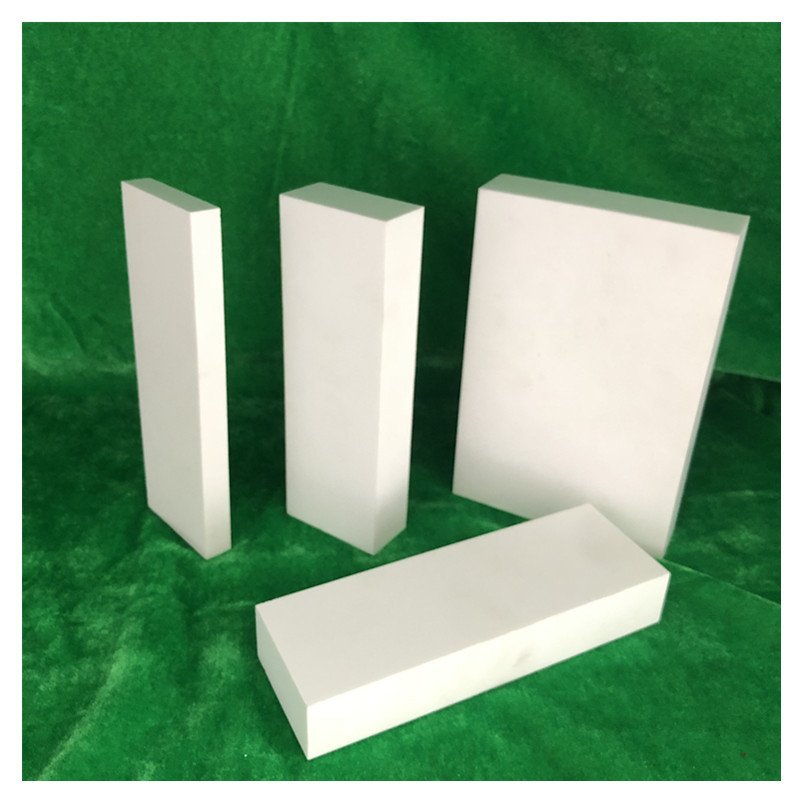
Alumina liners are ceramic components made from aluminum oxide (Al2O3), commonly known as alumina. They’re used to line the inside of pipes, chutes, cyclones, and all sorts of industrial equipment. Think of them as the ultimate protective gear for your machinery – like a super-tough, heat-resistant, wear-resistant suit of armor.
The Birth of a Liner Legend
Now, you might be wondering how we went from plain old aluminum to these high-tech ceramic marvels. Well, it all started with the need to protect industrial equipment from wear and tear.
Back in the day, industries were struggling with equipment that wore out faster than you could say “maintenance downtime.” Engineers were scratching their heads, trying to find a material that could withstand abrasion, corrosion, and high temperatures without breaking a sweat.
Enter alumina. Scientists and engineers realized that this ceramic material had some pretty amazing properties. It didn’t take long for clever folks to think, “Hey, what if we use this stuff to protect our equipment?”
And just like that, alumina liner were born. They’ve been saving equipment and reducing downtime ever since.
The Secret Sauce: What Makes Alumina Liners So Special?
Alright, let’s get down to the nitty-gritty. What makes alumina liners the rock stars of the industrial world? Buckle up, because this material has some seriously impressive superpowers:
- Tough as Nails (Maybe Even Tougher) Alumina is incredibly hard and wear-resistant. It laughs in the face of abrasion and keeps on protecting where other materials would have thrown in the towel.
- Hot Stuff, Coming Through! These liners can handle temperatures that would make other materials melt into puddles. We’re talking about sustained temperatures of up to 1700°C (3092°F). That’s hot enough to melt steel!
- Smooth Operator Alumina liners have a low coefficient of friction, which means materials flow over them smoothly. It’s like turning your rough, pot-holed industrial highway into a slick, high-speed autobahn.
- Chemical Warfare Resistant Corrosive chemicals? Harsh environments? Alumina just shrugs them off like they’re no big deal. It’s the Chuck Norris of the ceramic world.
- Lightweight Champion Despite being tough as nails, alumina is relatively light. It’s like having the strength of a bodybuilder in the body of a gymnast.
Where Can You Find These Ceramic Superheroes?
With all these superpowers, you might be wondering where alumina liners are actually used. Well, these tough cookies get around more than you might think:
- Mining and Mineral Processing From ore chutes to cyclones, alumina liners keep the mining industry running smoothly.
- Cement Production Cement is abrasive stuff, but alumina liners can take it. They’re used in clinker coolers, grinding mills, and more.
- Power Generation Coal-fired power plants use alumina liners in their ash handling systems. It’s like giving kryptonite to the supervillain of wear and tear.
- Pulp and Paper Mills Alumina liners help protect equipment from the harsh chemicals and abrasive materials used in paper production.
- Chemical Processing When you’re dealing with corrosive chemicals, you need a liner that can stand up to the challenge. Enter alumina.
- Food Processing Yep, even the food industry uses alumina liners. They’re great for handling abrasive materials like sugar, salt, and grains.
- Waste Management From garbage chutes to incinerators, alumina liners help keep waste moving and equipment protected.
The Challenges: Even Superheroes Have Weaknesses
Now, before you go thinking alumina liners are the answer to all of life’s problems, let’s talk about some of the challenges. After all, even Superman has his kryptonite:
- Initial Cost Alumina liner aren’t cheap. They’re like the caviar of the liner world – delicious, but not exactly budget-friendly.
- Installation Intricacies Installing alumina liners can be a bit tricky. It’s not rocket science, but it does require some skill and careful handling.
- Brittleness While tough against wear, alumina can be brittle under impact. It’s like that friend who’s super strong but has a glass jaw.
- Weight Worries Although lighter than some alternatives, alumina liners can still add significant weight to equipment. It’s something to consider in your design calculations.
The Future is Bright (and Lined with Alumina)
So, what’s next for our liner heroes? The future looks pretty exciting:
- Nano-Alumina Scientists are working on creating alumina liners with nanostructured grains, which could lead to even better properties.
- Composite Creations Combining alumina with other materials could create liners with the best of both worlds – even tougher and more versatile.
- Smart Liners Imagine alumina liners with built-in sensors to monitor wear and predict maintenance needs. The future of predictive maintenance is here!
- Green Manufacturing There’s a push to make the production of alumina liners more environmentally friendly. Even superheroes need to be eco-conscious these days.
Why Should You Care?
Alright, we’ve covered a lot of ground here. You might be thinking, “This is all great, but why should I care about some fancy ceramic liners?”
Here’s the thing: Materials like alumina liners are the unsung heroes of industry. They’re the behind-the-scenes players that keep our factories running, our power plants generating, and our industrial processes flowing smoothly. Without them, we’d be spending a lot more time and money on maintenance and a lot less time actually producing stuff.
Understanding these technologies gives us a glimpse into the incredible ingenuity of human problem-solving. It shows us how, with a bit of creativity and a lot of science, we can create solutions that push the boundaries of what’s possible in industry.
So the next time you’re enjoying the benefits of modern industry – from the electricity powering your home to the paper in your printer – take a moment to appreciate the amazing materials that make it all possible. Some of that might just be thanks to our friend, the alumina liner.
And hey, now you’ve got a cool industrial fact to drop at your next party. Just don’t be surprised if people look at you a little weird when you start gushing about the wonders of ceramic liners. But that’s okay – being an industry nerd is cool, and don’t let anyone tell you otherwise!
In the end, alumina liner is more than just tough, wear-resistant components. They’re a testament to human ingenuity, a key player in industrial advancement, and a pretty darn cool piece of engineering. So here’s to alumina liners – may they continue to protect our equipment, increase our efficiency, and inspire the next generation of engineers and materials scientists.
Who knows? Maybe you’ll be the one to discover the next big thing in industrial materials. And if you do, remember to give a little nod to alumina liners – the tough cookies that helped pave the way. Stay curious, industry fans!
 English
  Arabic
  Bulgarian
  Czech
Czech  Danish
  German
  Greek
Greek  Spanish
  Chinese
  Finnish
  French
  Hungarian
  Indonesian
  Italian
  Japanese
  Korean
  Lithuanian
  Norwegian
  Dutch
Dutch  Polish
  Portuguese (Brazil)
  Portuguese (Portugal)
  Romanian
  Russian
  Slovak
  Slovenian
  Swedish
  Turkish
  Ukrainian
  Estonian
  Latvian